
408-A Near Jain Bhawan,
Kapurthala Road, Jalandhar
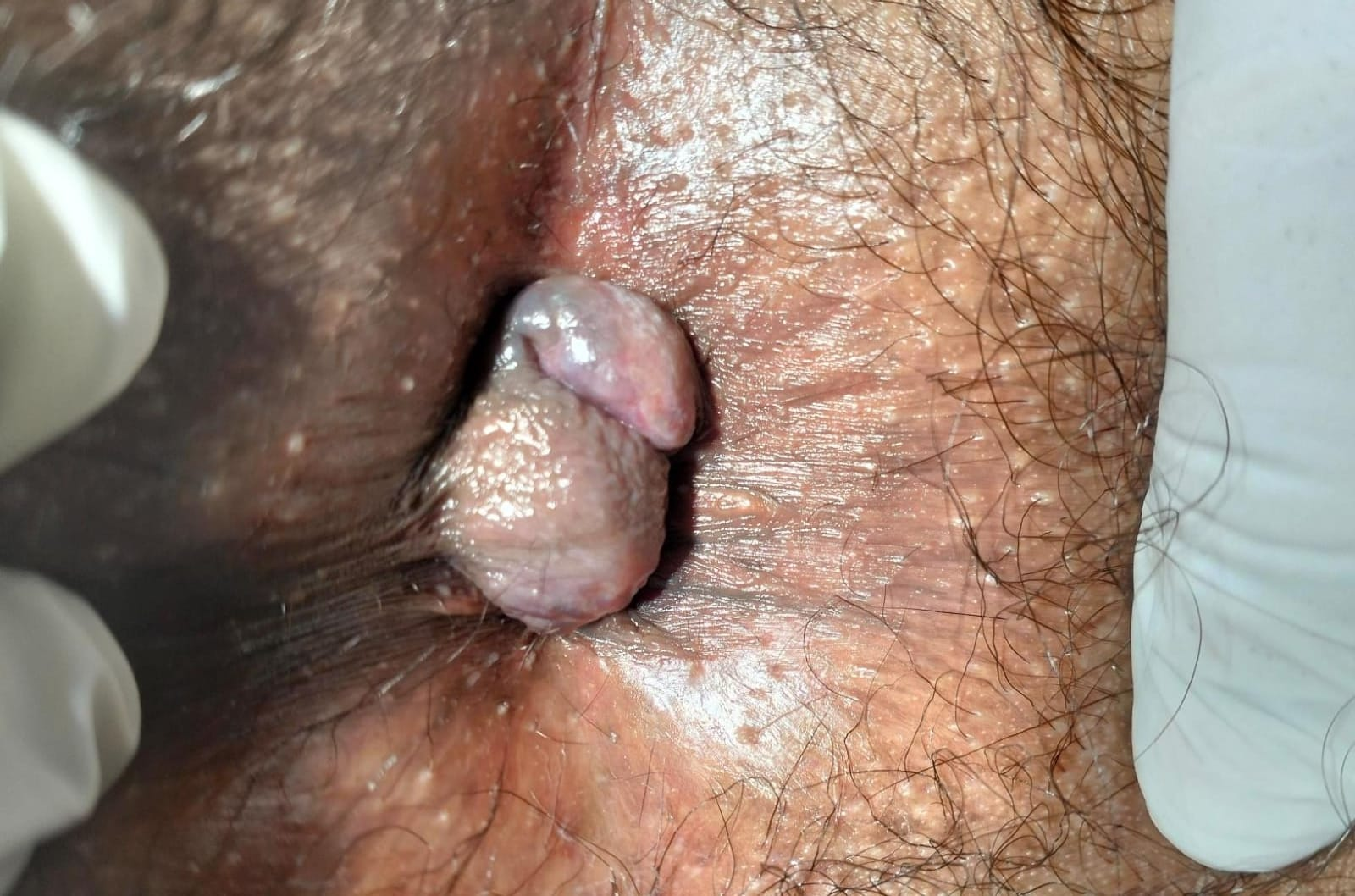
Hemorrhoids (commonly called piles) are swollen or inflamed anal cushions that line the anal canal. They may occur internally (above the dentate line), externally (below the dentate line), or as mixed (interno-external) piles also Hemorrhoids is a very common anorectal disease defined as the symptomatic enlargement and/or distal displacement of anal cushions.
The most common symptom of hemorrhoids is bright red blood covering the stool, on toilet paper or in the toilet bowl. Hemorrhoids are found both in men and women. About half of all people have hemorrhoids by age 50.
Laser treatment of Haemorrhoids is a new, highly effective, scientifically proven procedure with much more precision and accuracy. A LASER hemorrhoidectomy is a procedure that employs laser energy for the treatment of hemorrhoids. When this treatment is applied, a Diode laser is used which leads to reduction in blood supply to Anal Cushions, Shrinkage of piles mass and coagulation.
The most common cause in middle and old age is chronic constipation, but several factors can contribute:
Years of Excellence
Lives Transformed
Laser Surgeries
Happy Patients
We’re here to help you. Reach out to us for consultations or queries.
| Grade | Description |
|---|---|
| Grade I | Prominent blood vessels, no prolapse |
| Grade II | Prolapse during stool, but reduces on its own |
| Grade III | Prolapse requires manual reduction |
| Grade IV | Permanently prolapsed and irreducible |
A doctor will take a history and do a painless physical or proctoscopic exam to confirm the type and grade of piles.
Pile treatment depends on how advanced the condition is—early-stage piles often improve with diet and simple treatments. More severe grades may need injections, rubber banding, or advanced laser surgery for lasting relief.
Laser Suitability: Not Needed
Doctor’s Note:
These piles stay inside and do not come out. Laser treatment is not required at this stage.
Laser Suitability: Highly Effective
Doctor’s Note:
This is the perfect stage for laser treatment. Quick, bloodless, and same-day discharge.
Laser Suitability: ⭐ Ideal Choice
Doctor’s Note:
Laser is often preferred as it avoids major cuts and ensures faster recovery.
Laser Suitability: ⚠️ Possible in Select Cases
Doctor’s Note:
These are advanced piles. Laser may help in select cases, but surgery is sometimes necessary.
Laser Hemorrhoidoplasty (LHP) is a minimally invasive, non-excisional treatment ideal for Grade II and III internal hemorrhoids. This technique inserts a radial fiber laser (1470 nm diode) into the hemorrhoidal tissue to coagulate and shrink the pile mass without cutting or removing any tissue.
Understand the difference in simple words before you decide.
| Aspect | MIPH (Stapled Surgery) | Laser Surgery |
|---|---|---|
| Pain After Surgery | Moderate to severe pain, especially near the sensitive dentate line | Much less pain; most patients resume normal activities within 1–2 days |
| Bleeding & Risks | Can cause staple-line bleeding, rectal perforation, or narrowing (stenosis) | Laser seals vessels – minimal bleeding; no staples, no risk of internal injury |
| Recovery Time | It takes 7–10 days to feel normal; may require an overnight hospital stay | Back to work in 1–3 days; usually a daycare procedure |
| Precision & Suitability | Best for circumferential internal piles; less effective for external/segmental piles | It can target each pile precisely and works for internal, external, or mixed piles. |
| Comfort & Lifestyle | She may need dressings, pain control, and longer rest | No dressings needed; only sitz bath and ointments; quick return to routine |
| Ideal For | Internal Grade III–IV with circular prolapse | Grades II, III, and IV are ideal for professionals, older people, and active people. |
Laser treatment of Haemorrhoids is a new, highly effective, scientifically proven procedure, empowering doctors with much more precision and accuracy. A LASER hemorrhoidectomy is a procedure that employs laser energy for the treatment of hemorrhoids. When this treatment is applied, a medical laser is used to heat the problematic vein, which essentially causes them to collapse and disintegrate. In this procedure, the hemorrhoid is completely vaporized with the use of carbon dioxide or a laser beam. The smaller sized beam of the laser improves the accuracy and the precision of the procedure. In addition, the thinness of the laser beam is a factor which contributes to swift and unimpaired healing after the procedure. There are various options for those who need treatment for hemorrhoids, including traditional surgery.
Laser surgery works from inside the piles using focused light. There is no external wound, skin cutting, or need for stitches.
Patients report minimal discomfort after laser treatment, unlike open surgery, which often causes pain for several days due to raw wounds.
The laser seals the blood vessels as it works, so there is hardly any bleeding during or after the procedure.
Most patients leave the same day and return to work in 1–3 days. Open surgery may need 10–15 days of recovery.
Since there are no open wounds, you do not need to visit the hospital daily for dressings—just regular sitz baths and medicines.
Laser is a clean, precise, and controlled procedure. Minimal risk of infection or complications compared to traditional methods.
Unlike open surgery, laser only targets diseased veins, protecting your natural anatomy and reducing the risk of incontinence.
Laser piles surgery is a day-care procedure with a fast return to routine life, perfect for those who cannot take long leaves or tolerate open wounds.
Ans: Piles are swollen blood vessels (veins) in or around the anus and rectum. They may stay inside or come out while passing stool. They can cause bleeding, discomfort, or itching.
Ans: Common causes include:
Ans: Symptoms include:
Ans: No, piles are not dangerous or cancerous. However, untreated piles can worsen and become harder to manage.
Ans: Small piles (Grade I) may improve with diet and lifestyle changes. However, advanced piles (Grades II-IV) often need medical or surgical treatment.
Ans: A doctor will take a history and do a painless physical or proctoscopic exam to confirm the type and grade of piles.
Ans: Laser surgery is much less painful than traditional methods. There are no cuts or stitches; most patients go home the same day.
Ans: With proper care, diet, and follow-up, recurrence is rare, especially after laser surgery. However, straining and constipation can bring them back.
Ans: You should see a doctor if:
Ans: One should not use a laser in the presence of pus. However, a laser may be used once the pus is drained and the fistula tract matures.
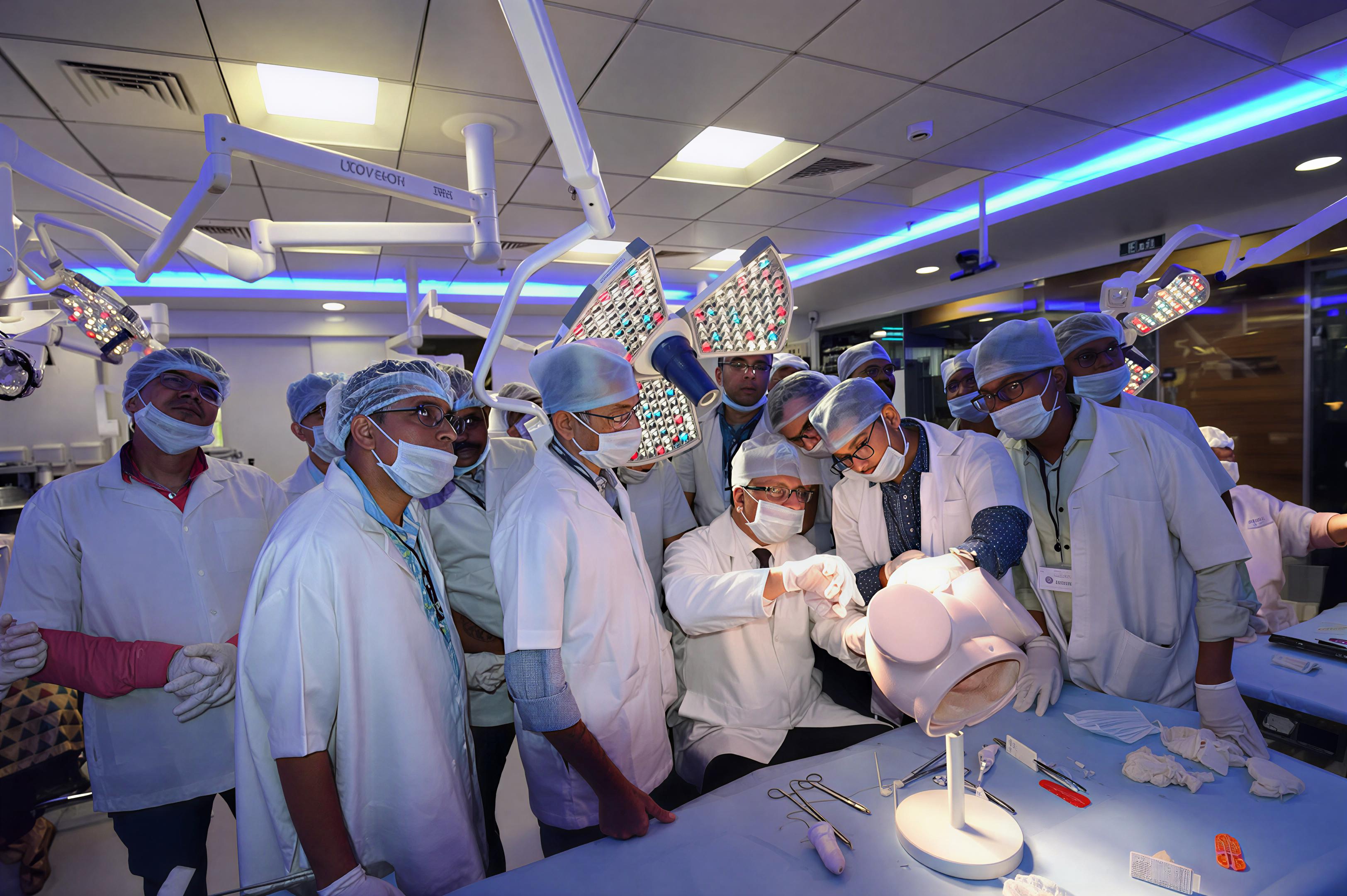
For training workshops or distribution inquiries
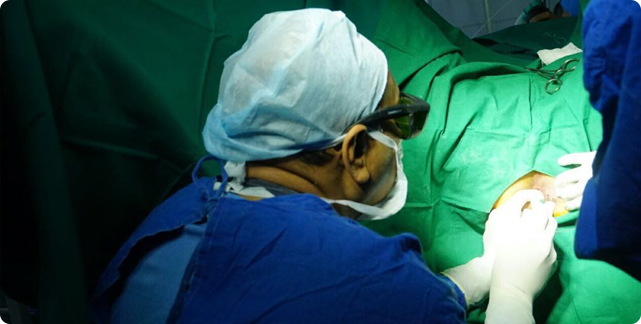
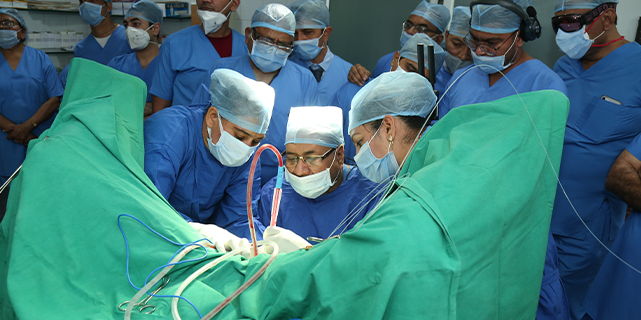
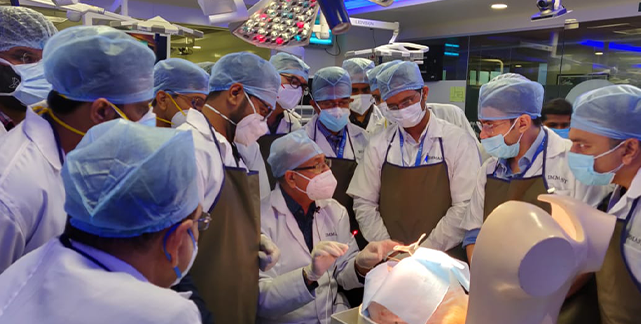
Karan Hospital, Jalandhar
Real patient experiences reflecting quality treatment, advanced laser care and successful results at Karan Hospital.
 ★★★★★Google Verified Review
I was referred to Dr Kamal Gupta's Karan Hospital as was suffering from fistula and it had to be operated to get rid of it. Dr Gupta and team did a great job I was operated on March 31st and had couple of follow up visits and I am ready to go bac...
 ★★★★★Google Verified Review
I had fistula in ano since 2,3 years. I specially came from Canada for this treatment. Dr Kamal treated me very well and explained everything to me very clearly. They took me for surgery on January and now after 3 months I'm fully cured. I recommend...
★★★★★Google Verified ReviewI had suffered from fistula in ano since one year. I had visited so many hospital but one of my known recommend me to visited Karan hospital. I visited their and now I'm fully satisfied after 3 months of treatment. I'm very thankful to Dr Kamal Gupta an....
★★★★★Google Verified ReviewI had fissure in ano since very long time so I visited karan hospital for my treatment. Dr kamal gupta is very good surgeon and his team also very understanding towards patient. So i recommend everyone to visit here and get yourself treated.
★★★★★Google Verified ReviewFor the last 5 Years I had been suffering from pain and bleeding after defecation. I was afraid of surgery but somebody told me about the LASER treatment that Karan Hospital was offering. I am so glad to come here and now I am fully cured. Experience was excellent. Totally satisfied.
★★★★★Google Verified ReviewI got very good treatment for my piles with the LASER technique. No cuts, no stitches, my treatment went very smoothly.
★★★★★Google Verified ReviewI would like to thank Dr. Kamal Gupta. It was wonderful and unique experience. The charges were reasonable in comparison to the satisfaction and kind of service I received during my treatment.